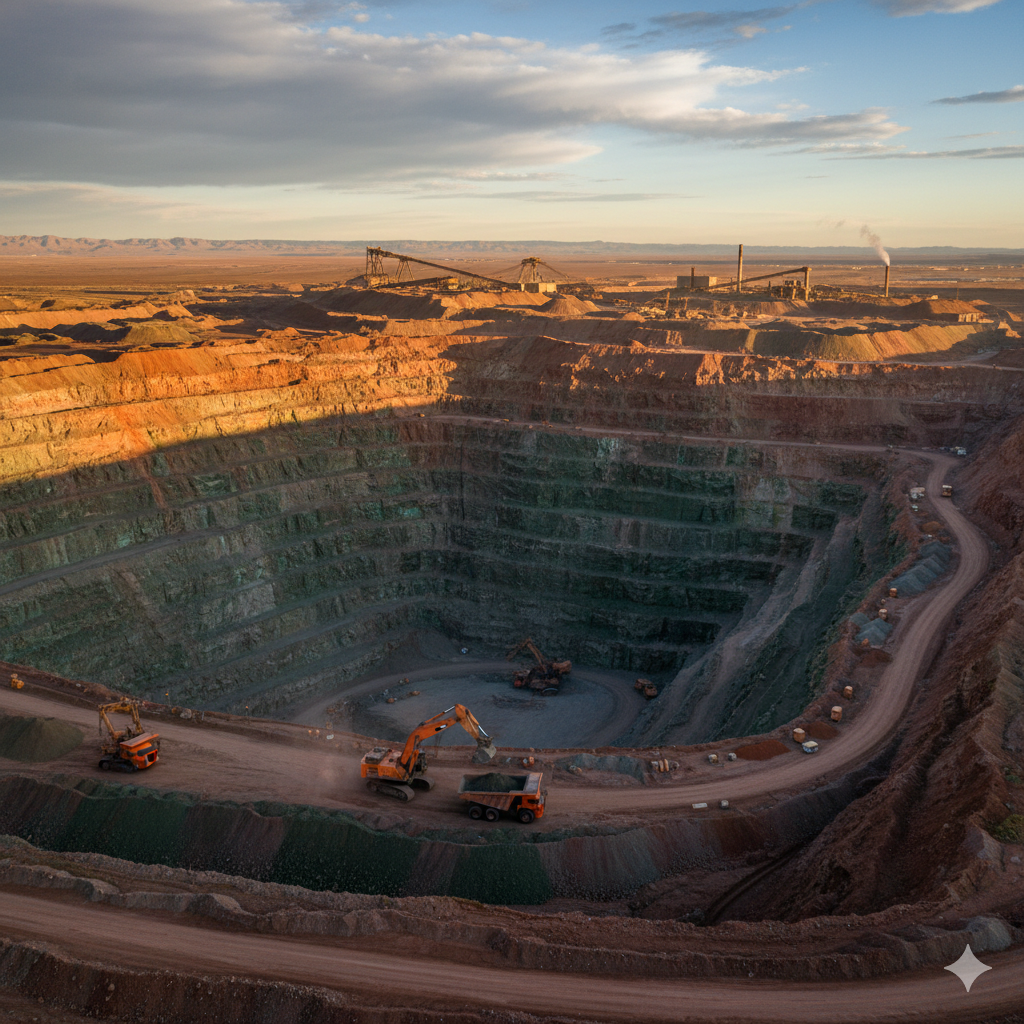
You’ll quickly see why Copperwood matters whether you’re choosing a neighbourhood, exploring development styles, or comparing home options. Copperwood combines thoughtful community design with a range of home types—single-family homes, bungalows, and townhomes—so you can find a layout that fits your lifestyle and priorities.
This post explains what Copperwood is, how its design and location shape daily life, and how developers and builders bring those plans to modern use. Expect practical details about community features, home styles, and what to consider when evaluating Copperwood for your next move.
What Is Copperwood?
Copperwood refers to a copper mining project and its associated geological deposit in Michigan’s Upper Peninsula, owned and developed by Highland Copper. The project targets sediment-hosted copper and associated silver resources, is in pre-construction, and sits near the Porcupine Mountains on Lake Superior’s shore.
Key Characteristics
You’ll find Copperwood described as a near-term greenfield copper development focused on a sediment-hosted, stratiform copper deposit in the Nonesuch Formation. Plans center on an underground room-and-pillar mine with metallurgical work aimed at producing copper concentrate and recoverable silver byproduct.
The project includes secured surface rights for infrastructure, long-term mineral leases, and permitting activity already completed or in progress. Highland Copper owns the primary leasehold and has carried out engineering, environmental baseline studies, and metallurgical testing to define expected recoveries and processing flowsheets.
- Location: Upper Peninsula, adjacent to Porcupine Mountains Wilderness State Park
- Deposit type: Sediment-hosted, stratiform (Nonesuch Formation)
- Mining method: Planned underground room-and-pillar
- Outputs: Copper concentrate; silver byproduct
Historical Background
You can trace Copperwood’s recent ownership and permitting history to Highland Copper’s acquisition of the project from Orvana Minerals in 2014. Since the acquisition, Highland has advanced exploration, resource definition, and feasibility-level metallurgical programs to support permitting and financing.
The site has been part of regional mining activity that once included the White Pine operations; Highland also holds interests in White Pine North as a separate but related initiative. Federal and state policy attention has increased because Copperwood contributes to domestic critical-mineral supply objectives.
Key milestones include: acquisition in 2014, progressive resource and metallurgical studies, permitting submissions, and planning for surface infrastructure to support underground operations.
Common Applications
If the project proceeds, Copperwood’s primary application is supplying copper concentrate to smelters and refiners for electrical, industrial, and construction markets. The concentrate would be an input to copper cathode and downstream products such as wire, tubing, and electrical components.
You should also expect recovered silver to enter precious-metal supply chains for industrial uses and investment-grade product streams. On a regional level, the project supports local infrastructure, mine services, and potential reclamation or environmental monitoring work tied to operating and closure plans.
Copperwood in Modern Use
Copperwood plays a role in infrastructure, manufacturing, and local economies, with tangible effects on building materials, environmental management, and job creation. You will find specific trade-offs between aesthetic and structural uses, regulatory environmental measures, and direct economic inputs to the Michigan Upper Peninsula.
Architectural Significance
You can expect Copperwood-sourced copper to appear in architectural applications where durability and conductivity matter. Copper from underground, room-and-pillar operations typically produces cathode or concentrate that fabricators refine into roofing, cladding, gutters, and decorative elements. Those products benefit from copper’s corrosion resistance and predictable patina over time, which architects specify for long-lived façades and historic restorations.
Design teams value consistent supply and local sourcing for sustainable certifications. If Highland Copper advances Copperwood to production, regional proximity could shorten lead times for Midwest projects and reduce transport emissions compared with overseas sources. You should consider material specifications (gauge, alloy, finish) and local building codes when selecting copper for a project.
Environmental Impact
You must weigh land disturbance, water management, and wetland mitigation tied to an underground mine like Copperwood. Modern room-and-pillar mining limits surface footprint relative to open pits, but it still requires portals, access roads, tailings handling, and infrastructure that affect wetlands and habitat. Highland Copper’s permitting included wetland mitigation plans and progressive reclamation commitments to reduce long-term landscape impacts.
Water treatment and dust control constitute ongoing operational priorities. Operators commonly deploy closed-loop water systems and lined tailings facilities to limit metal leaching and sediment release. You will want to review monitoring reports and permit conditions to judge compliance and the effectiveness of mitigation before assuming minimal impact.
Economic Value
You will see Copperwood’s economic effects in direct employment, contractor opportunities, and regional procurement spending. The project projects hundreds of direct and indirect jobs during construction and operations, plus capital investment in roads and site services that can stimulate local businesses. State and federal grants or infrastructure support—such as road funding—can lower upfront costs and accelerate equipment mobilization.
Local tax revenue and royalties offer municipalities steady income, while a nearby, permitted copper source can stabilize supply chains for U.S. fabricators and manufacturers. If you evaluate Copperwood for investment or partnership, examine the feasibility study metrics: mine life, projected production rates, capital expenditure, and permitting status to assess return and local economic risk.