You want effective, professional results without unnecessary downtime, and Ottawa medical spas deliver a mix of clinical treatments and spa comforts to help you look and feel better quickly. Expect personalized care—from laser hair removal and injectables to advanced skin treatments—so you get targeted, visible improvements that suit your goals.
This article Ottawa Medical Spa breaks down common services offered, what to ask during a consultation, and how to choose a clinic that matches your needs and safety standards. You’ll learn practical steps to compare options, spot qualified providers, and plan treatments that fit your schedule and budget.
Ottawa Medical Spa Services
You can expect targeted skin and body treatments delivered by licensed clinicians using medical‑grade devices and products. Treatments focus on visible improvement: smoothing, hair reduction, volume restoration, and skin texture renewal.
Facial Treatments Overview
You’ll find medical spa facials, chemical peels, microneedling, and device-based resurfacing that go beyond relaxation to address acne, pigmentation, fine lines, and texture. Chemical peels range from light glycolic or salicylic peels for maintenance to medium TCA peels for deeper pigment and texture correction; providers will assess your skin type and downtime tolerance before recommending peel strength.
Microneedling stimulates collagen with controlled microinjury and is often combined with topical serums or PRP for enhanced results. Laser and IPL resurfacing target sun damage and broken vessels; expect numbing for comfort and staged treatments for safer, predictable improvement. Ask about pre- and post-care, number of sessions, and realistic timelines for visible change.
Laser Hair Removal Options
You can choose from diode, alexandrite, or Nd lasers depending on your skin tone and hair color. Diode lasers work well for darker, coarse hair on lighter to medium skin; alexandrite delivers faster coverage for light–medium skin with finer hair; Nd suits darker skin tones because of deeper penetration and lower melanin absorption.
Treatments require a series—typically 6–8 sessions spaced 4–8 weeks apart—to catch hair in active growth. Expect brief discomfort described as snapping or warmth; clinics use cooling systems or topical numbing. Discuss expectations for permanent hair reduction (not absolute removal), cost per session versus package pricing, and contraindications such as recent tanning or certain medications.
Injectables and Fillers
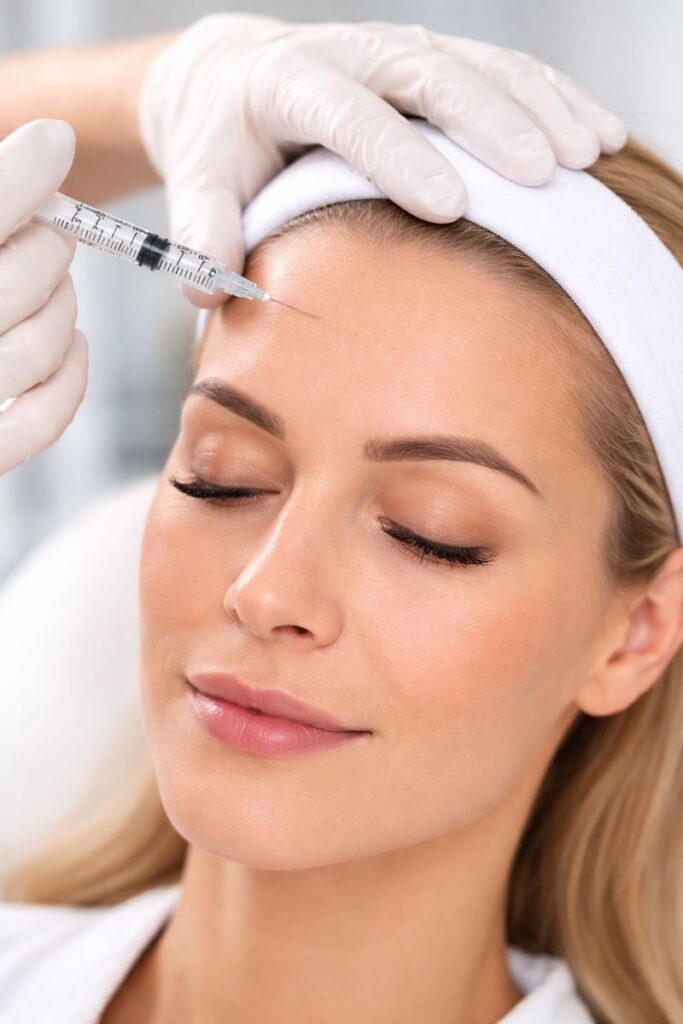
You’ll encounter neuromodulators (e.g., Botox) and hyaluronic acid fillers for dynamic wrinkle reduction and volume restoration. Neuromodulators relax targeted muscles to soften forehead lines, glabellar furrows, and crow’s feet; results appear within days and last 3–4 months on average.
Fillers restore mid‑face volume, smooth nasolabial folds, and augment lips or jawline with products chosen for viscosity and longevity. Treatment planning should include product selection, expected duration (6–24 months depending on filler), and risk discussion—bruising, swelling, and rare vascular complications. Verify injector credentials, review before/after photos, and confirm a written treatment plan with follow‑up timing.
Choosing the Right Ottawa Medical Spa
Find a clinic with licensed clinicians, clean and modern equipment, and a clear, no-pressure consultation process so you can make informed choices about treatments, costs, and expected results.
Professional Qualifications
Verify that the practitioners performing medical procedures hold appropriate licenses and certifications. Look for physicians, nurse practitioners, registered nurses, or physician assistants listed on the clinic website. Confirm specialty training in dermatology, cosmetic injectables, or laser operation when relevant.
Ask about ongoing education and manufacturer training for specific devices. Providers who complete vendor-led certification for lasers or injectables reduce your risk of complications. Also check whether experience is documented—years performing a procedure and before/after photos tied to real patients help you assess skill.
Review patient reviews and professional affiliations. Positive, detailed reviews that reference specific treatments (e.g., fractional laser, Botox) are more informative than vague praise. Membership in regional medical associations or aesthetic societies adds credibility.
Facility Standards
Inspect the clinic environment for cleanliness, organization, and up-to-date equipment. A modern med spa should have treatment rooms with easily sanitized surfaces, visible emergency supplies, and calibration records for lasers or RF devices. Ask if devices are FDA- or Health Canada–cleared for the procedures offered.
Confirm infection-control protocols. The staff should follow single-use policies for needles, proper disposal of sharps, and documented sterilization for any reusable tools. Also check whether the facility maintains liability insurance and publicizes privacy practices for medical records.
Consider accessibility and aftercare logistics. Look for clear instructions on recovery, available follow-up appointments, and emergency contact procedures. Proximity to a licensed physician or hospital for escalation of rare complications is a practical plus.
Consultation Process
Expect an initial, face-to-face or secure video consultation that includes medical history, medication review, and a skin or body assessment. The clinician should document contraindications—pregnancy, anticoagulant use, active infection—and discuss alternatives if a treatment is unsuitable.
The provider must outline realistic outcomes, timeline, number of sessions, and total cost including taxes and potential follow-up fees. Insist on written consent forms that list risks, expected side effects, and post-care instructions before any procedure begins.
Watch for consults that prioritize education over sales. A thorough consultation includes photos, treatment plan options with pros and cons, and an opportunity for you to ask specific questions about downtime, pain management, and anticipated results.