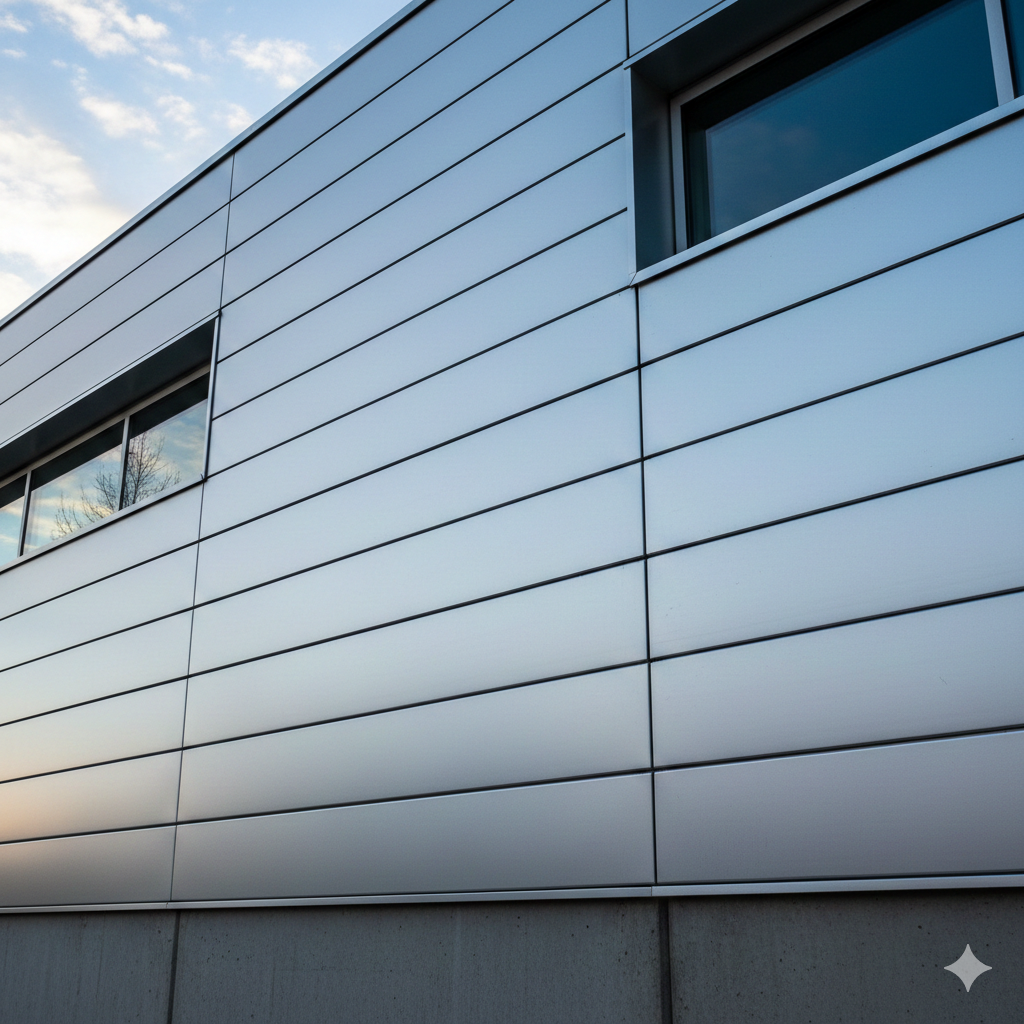
You need suppliers who deliver consistent quality, clear specifications, and reliable lead times so your project stays on budget and on schedule. Choose suppliers that offer tested aluminum composite sheets (ACM) with documented fire ratings, color/finish options, and fabrication services to avoid delays and costly rework.
This article Aluminum Composite Sheet Suppliers shows how to find reputable suppliers, compare product offerings, and evaluate services like cutting, routing, and finishing so you can select the right partner for signage, cladding, or interior applications. Explore practical criteria and red flags to streamline your sourcing process and protect your project’s performance and appearance.
Finding Reliable Aluminum Composite Sheet Suppliers
You need suppliers that match your project specs, timeline, and budget. Focus on material certifications, product range, delivery reliability, and local support when comparing options.
Factors to Consider When Selecting a Supplier
- Material specifications and certifications: Verify panel thickness, core type (fire-rated vs. standard), coil coating system, and relevant third-party certifications (e.g., EN, ASTM, FM). Ask for test reports and batch traceability.
- Quality control and testing: Request factory QC procedures, paint adhesion tests, and production tolerances. Inspect sample panels or request witnessed testing before large orders.
- Lead times and logistics: Confirm production capacity, typical lead times, freight options, and whether the supplier handles customs documentation. Shorter, reliable lead times reduce schedule risk.
- After-sales support: Check warranty terms, on-site installation guidance, and availability of replacement panels or matching touch-up paint. A supplier that supports rectification saves time on-site.
- Price transparency: Get itemized quotes showing material, finishing, transport, and duties. Compare total landed cost rather than unit price alone.
Key Qualities of Trustworthy Sourcing Partners
- Established track record: Prefer suppliers with verifiable project references and completed installations similar to yours. Contact references for installation performance and responsiveness.
- Technical competence: Look for suppliers who provide CAD details, fixing recommendations, and compatibility guidance with your cladding system. Technical drawings reduce onsite errors.
- Consistency in finish and color: Ask for color-approval samples and a documented color-matching process. Consistent coating batches prevent visible patchwork on façades.
- Sustainability and compliance: Confirm recyclability claims, VOC levels in coatings, and compliance with local fire codes. Suppliers who document environmental performance reduce regulatory risk.
- Communication and responsiveness: Reliable partners answer RFQs promptly, provide clear lead-time updates, and escalate issues. Good communication prevents delays and cost overruns.
Regional and Global Supplier Networks
- Local distributors vs. manufacturers: Local distributors offer faster delivery and easier returns. Direct manufacturers often provide better pricing on large volumes and more customization options.
- Regional considerations: Check suppliers’ experience with local weather, building codes, and seismic or wind requirements. Regional familiarity ensures material suitability and proper detailing.
- Global sourcing risks: When sourcing internationally, assess currency exposure, import duties, and potential shipping delays. Build contingency stock for long-lead imported items.
- Supply-chain integration: Prefer suppliers who coordinate with your fabricator, installer, and logistics provider. Integrated supply reduces handling errors and accelerates project handover.
- Network verification: Use site visits, third-party audits, and customer references to validate overseas plants. Confirm spare-part availability and local technical representation before awarding contracts.
Product Offerings and Services
You’ll find detailed specs, fabrication choices, and typical delivery practices that matter for budgeting, installation, and code compliance. Expect clear options for core type, finish, panel size, and lead times so you can match material to project needs.
Range of Aluminum Composite Sheet Specifications
Suppliers typically list panel thickness, core type, and finish options in product datasheets. Common panel face thicknesses range from 0.3 mm to 0.5 mm per aluminum skin, with overall panel thicknesses such as 3 mm, 4 mm, and 6 mm. Core materials include polyethylene (PE), fire-retardant mineral (FR), and non-combustible cores for code-sensitive projects.
Finish choices affect appearance and performance: PVDF (Kynar) coatings for long-term color retention, polyester for economical use, and anodized or textured options for specialty looks. Standard widths run 1220–1560 mm and lengths up to 3050 mm or custom-cut to order. You should check each supplier’s technical sheet for tensile strength, flatness tolerance, and fire ratings relevant to building codes.
Customization and Fabrication Options
You can order panels pre-cut, routed, folded, and with CNC-drilled fastener patterns ready for site installation. Fabrication services often include digital cutting, bending, corner folding, and routed reveal lines to reduce on-site labor and waste. Some suppliers supply finished edges and factory-applied protective film to prevent transport damage.
Color matching and digital printing services allow branding or façade patterns; ask for color-matching tolerances and sample panels. Hardware and subframe systems—such as rainscreen clips, cassette systems, and fire-stopping accessories—are sometimes bundled. Verify warranty coverage on fabricated pieces and whether the supplier performs a mock-up or site measurement to confirm fit before production.
Delivery Times and Order Fulfillment
Lead times vary by stock availability, finish, and fabrication complexity. Stock panels and standard colors often ship in 5–10 business days. Custom colors, printed panels, or panels with heavy fabrication typically require 2–6 weeks; non-combustible cores and specialty finishes can extend that further.
Confirm minimum order quantities, palletization methods, and freight options up front. Reliable suppliers provide an order acknowledgment with shipment date, tracking, and packing list. For phased projects, request staged deliveries and site-storage advisories to avoid prolonged outdoor exposure to prevent soiling or edge corrosion.