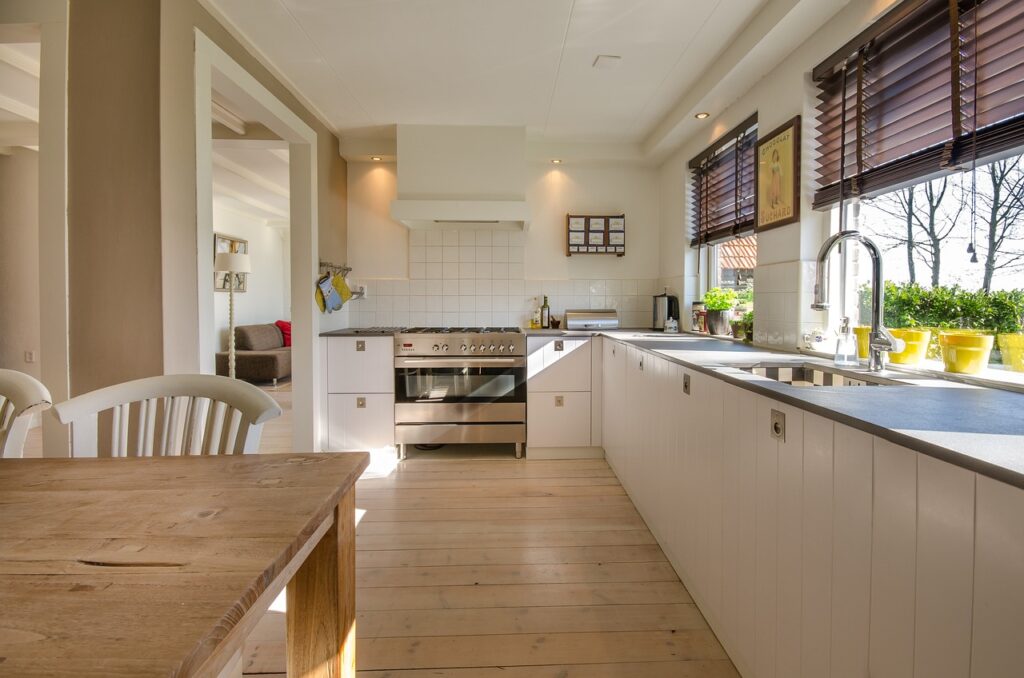
Looking for kitchen renovation contractors near me? Start by narrowing your search to licensed, insured professionals who handle plumbing, electrical, tiling, flooring, and cabinetry so you avoid coordination headaches and hidden costs. A qualified local kitchen renovation contractor will save you time and money by managing permits, trades, and materials while delivering the design and function you want.
You’ll learn how to evaluate quotes, check credentials and past work, and set realistic timelines and budgets so you can choose a partner that matches your style and standards. The next sections explain how the renovation process unfolds and what to ask contractors to protect your investment and get the kitchen you envisioned.
Choosing the Right Kitchen Renovation Partner
Focus on contractors who demonstrate licensure, clear pricing, relevant experience, and reliable client feedback. Prioritize specific credentials, project photos, and recent reviews that match your scope, timeline, and budget.
Evaluating Local Contractor Credentials
Check that the contractor holds the proper state or local license for kitchen remodeling and active insurance (general liability and workers’ compensation). Ask for license numbers and verify them on your state contractor board website; a verified license shows they meet local trade and safety standards.
Request copies of insurance certificates and confirm coverage dates and limits with the insurer. Confirm whether subcontractors carry their own insurance or are covered under the prime contractor’s policy to avoid liability gaps.
Confirm any trade certifications relevant to your project—cabinet installer, countertop fabricator, or electrician licenses. Ask about building permits and inspection processes they handle; a contractor who proactively pulls permits reduces your risk of code violations.
Comparing Portfolios and Past Projects
Review recent project photos and ask for 3–5 portfolio examples that match your project size and style. Look for consistency in finish quality, how closely the layouts solved functional issues, and whether the materials shown match what you expect to pay for.
Ask for references from projects completed within the last 12–24 months and call at least two. Ask about timelines, change-order frequency, jobsite cleanliness, and whether the final costs matched estimates. Those specifics reveal real performance, not marketing claims.
Visit a live jobsite if possible to observe communication, scheduling, and on-site organization. Note how trades coordinate and whether the contractor protects existing home areas—those details predict respect for your home and schedule.
Reading Client Testimonials and Reviews
Scan multiple review platforms—Angi, HomeStars, Networx, and Google—to build a balanced view. Focus on recent reviews (past 12–18 months) and pay attention to recurring themes: punctuality, communication, adherence to budget, and post-completion responsiveness.
Differentiate one-off complaints from patterns. A single negative review about a personality clash matters less than repeated notes about missed deadlines or unexpected costs. Use a quick checklist: number of reviews, average rating, and ratio of detailed complaints to total reviews.
When reviews seem vague or overly polished, ask the contractor for direct client contacts and verified references. Direct conversations let you probe specifics like warranty handling, punch-list responsiveness, and whether the contractor honored promised change orders.
Understanding the Renovation Process
You’ll move from an idea to a working plan, a realistic budget, and legal approvals before demolition begins. Expect defined steps: an in-person assessment and design plan, a detailed cost and schedule estimate, and any permits needed for structural, electrical, or plumbing work.
Initial Consultation and Design Planning
You start with an on-site consultation where the contractor measures the space and reviews existing plumbing, wiring, and load-bearing walls. Bring photos, a wish list, and any inspiration to speed decisions; contractors use these to create layout options and preliminary drawings.
The designer or contractor will discuss materials, cabinet styles, countertops, appliances, lighting, and hardware. Expect sample boards, digital renderings, or scaled plans that show traffic flow and clearances—these reduce surprises during construction.
Decide who handles selections and order timing. For custom cabinets and long-lead items, approve shop drawings and sign off on final dimensions before fabrication to avoid delays and change-order costs.
Budgeting and Timeline Factors
Your budget must include hard costs (materials, labor, subcontractors) and soft costs (design fees, permits, inspections, contingency). Aim for a contingency of 10–20% of the project value to cover unexpected structural issues or finishes changes.
Timeline depends on scope: cosmetic updates can take days to weeks; full gut remodels often take 6–12 weeks or longer. Long-lead items—custom cabinetry, stone countertops, specialty appliances—add weeks, so order early once designs are finalized.
Labor scheduling and subcontractor availability affect duration. Ask the contractor for a phased schedule with milestone dates (demolition complete, rough-in, inspections, finish work) and penalties or remedies if milestones slip.
Permits and Compliance Considerations
You must obtain permits for structural changes, electrical upgrades, and plumbing relocations. The contractor should identify required permits during the planning phase and include permit fees in your estimate.
Inspections occur at rough-in stages and after final installations. Keep copies of approvals and ensure subcontractors follow local code for wiring, ventilation, and gas lines to avoid costly rework or failed inspections.
If your property is in a heritage district or condo, additional rules may apply—strata approvals, noise restrictions, or specified work hours. Confirm these constraints before scheduling demolition to prevent fines or forced work stoppages.