You probably didn’t realize a single mattress can occupy about 23 cubic feet in a landfill and take decades to break down. If you want to prevent wasted space and recover reusable materials, recycling your mattress or using a take-back service often keeps most of it out of the dump.
This post Mattress Recycling will show practical options you can use right away: donation and retailer take-back, municipal drop-off or transfer-station choices, and specialized recycling programs that separate springs, foam, and fabric for reuse. You’ll learn how modern recycling and repurposing processes reduce environmental harm and how to pick the easiest, cheapest, or most eco-friendly route for your situation.
Environmental Impact of Mattress Disposal
Mattress recycle disposal affects landfill space, material recovery, and local pollution. Your choices determine whether steel, foam, fabrics, and flame-retardant chemicals re-enter supply chains or persist in waste sites for decades.
Waste Reduction Benefits
Recycling a single mattress typically recovers around 70–90% of its components by weight: steel springs, polyurethane or latex foam, wood frames, and textile covers. Steel often returns to scrap markets; foam can become carpet underlay or insulation; textiles can be shredded for stuffing or industrial rags. Those material streams reduce demand for virgin steel, petroleum-based foam feedstocks, and new textiles, which cuts upstream energy use and emissions.
You can reduce waste volume significantly at the point of disposal by choosing take-back programs or retailers that accept old units when delivering new ones. Proper disassembly also prevents reusable parts from being crushed in compactors, increasing the economic value recovered and lowering net landfill input.
Landfill Diversion Strategies
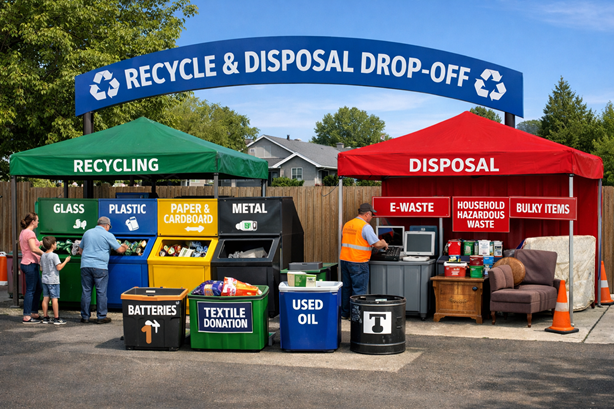
Local authorities and private recyclers use several diversion tactics you can access: drop-off recycling centers, scheduled bulk pickup with mandated recycling, retailer take-back at point of sale, and mattress dismantling facilities that separate components for resale. Each option varies by cost and convenience; retailer programs often charge a small fee but guarantee proper processing.
Regulation and logistics matter for success. Where ordinances require mattress recycling or ban whole mattresses from landfills, diversion rates rise. Look for certifications or documented end markets from recyclers so you know foam, steel, and textiles actually get reused rather than downcycled or landfilled.
Processes and Innovations in Mattress Repurposing
You will encounter two core streams: separating mixed components into clean material streams, and transforming those streams into usable feedstock through mechanical or chemical methods. These processes determine the end markets and the environmental benefits.
Material Separation Techniques
You start by removing covers and ticking using knives or automated cutters to expose internal layers. Manual disassembly still dominates for spring mattresses because springs and heavy textiles require careful handling to avoid damage to downstream equipment.
For foam and fiber layers, shredders and hammermills reduce bulk into manageable pieces. Air classifiers and vibrating screens then sort light fibers from heavier foam fragments. Steel springs move to magnetic separators, producing a high-purity metal stream that you can sell to scrap recyclers.
Specialized lines add robotic arms and vision systems to speed separation. That automation reduces labor and improves throughput, but it requires upfront capital and consistent mattress feedstock to justify the investment.
Advanced Recycling Technologies
You can convert foam and mixed polymer streams through mechanical, thermal, or chemical routes depending on material chemistry. Mechanical granulation yields rebonded foam and polyurethane granules used in carpet underlay, insulation, or molded products.
Chemical recycling methods—including glycolysis, hydrolysis, and depolymerization—break polyurethane into polyol and other monomers. Those recovered chemicals can re-enter polyurethane production with fewer performance compromises than virgin materials.
Emerging processes reformulate mattress foams into polymer granules without solvents or catalysts, enabling direct use in injection molding and footwear components. Pyrolysis and solvolysis options exist for mixed-output streams, but you must weigh energy use and emissions against material recovery value before scaling.