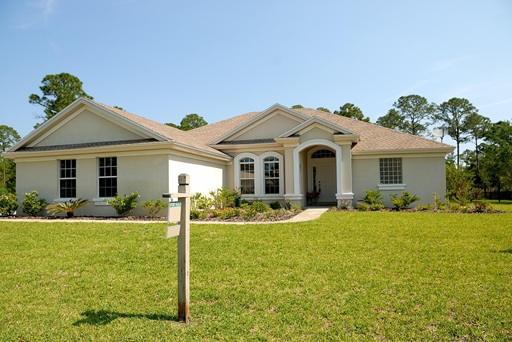
You can add a full, code-compliant living space to your property faster and with less disruption than traditional construction by choosing a prefab garden suite in Ontario. Prefab garden suites deliver predictable costs, faster timelines, and flexible designs that fit multi-generational living, rental income, or a home office.
This article Prefab Garden Suites Ontario will show how modular construction, customization options, and available builders in Ontario make a backyard suite practical for many lots. You’ll also get clear guidance on provincial and municipal rules, approvals, and financing considerations so you can decide whether a prefab approach suits your goals.
Design Options and Customization
You can choose layouts, exterior styles, and interior finishes to match site constraints, budget, and intended use. Focus on floor plan efficiency, local zoning setbacks, and finishes that balance durability with cost.
Popular Floor Plans
Single-bedroom open-plan units remain the most common, offering a combined living/kitchen area, one bathroom, and a bedroom or sleeping nook. These typically range from 300–600 sq ft and fit most Toronto and GTA backyards without major site work.
Two-bedroom plans appeal when you need rental income or multigenerational space. Expect compact circulation, stacked storage, and full-size appliances arranged along one wall to save room. Look for plans with sliding doors or folding partitions to create flexible living areas.
Micro-studio layouts suit short-term rentals or home offices. They often include a wet-room bathroom, kitchenette, and loft or Murphy bed. When reviewing plans, check window placement for light and ventilation, and confirm mechanical space for HVAC and laundry.
Architectural Styles
Modern minimalist designs use flat roofs, metal cladding, and large glazed panels for a contemporary look. These styles simplify prefabrication and can reduce on-site labour, but confirm local roof-height rules and privacy impacts on neighboring properties.
Traditional/vernacular styles mimic the host house with pitched roofs, wood siding, and smaller windows. This choice helps maintain neighbourhood character and can ease heritage or planning approvals in some municipalities.
Hybrid styles mix materials—brick or stone at the base, wood or fiber-cement above—to balance durability and curb appeal. Ask manufacturers for sample elevations and cladding details, and request mock-ups of corner conditions where siding meets windows and doors.
Interior Features
Kitchen choices matter: you can pick full kitchens with standard-depth cabinets and full-size appliances, or slimline kitchens with apartment-grade fridge and two-burner cooktop to maximize living space. Prioritize durable surfaces like quartz or laminate countertops for low maintenance.
Bathroom options include a standard tub, a walk-in shower with glass, or a wet-room to save footprint. Choose water-efficient fixtures (Dual-flush toilets, low-flow taps) to lower utility costs and meet code requirements.
Storage solutions often define usability: built-in wardrobes, under-stair drawers (in lofted units), and wall-mounted shelving optimize tight footprints. For systems, ask for forced-air or ductless heat pump options, an efficient hot-water heater, and pre-wiring for EV charging or high-speed internet if you plan to rent or work from the suite.
Ontario Regulations and Approval Process
You will deal with province-wide rules plus local zoning and permit steps that directly affect timeline, cost, and design. Expect to confirm Building Code compliance, municipal zoning allowance, and any available local program support before you order a prefab unit.
Permitting Requirements
You need a municipal building permit that shows compliance with the Ontario Building Code and your local zoning by-law. Typical application items: stamped drawings, site plan, foundation details, HVAC and electrical schematics, and septic or service connection reports if municipal services don’t reach the unit.
Ontario Regulation 462/24 (effective November 20, 2024) changed how additional residential units such as garden suites are treated; municipalities still require Code compliance but cannot impose some previously common prohibitions in many residential zones. Expect municipal reviews for structural, fire, and energy requirements.
Plan for permit review times of weeks to a few months and factor in resubmissions. If your lot uses a septic system, include a qualified inspection and any upgrades in the permit package to avoid later delays.
Zoning Considerations
Confirm whether your property’s zoning permits a garden suite or ADU and note specific numeric limits: lot coverage, setbacks, height, and maximum suite area. Some Toronto and Ontario changes now allow garden suites across most residential zones, but local bylaws still set setbacks, parking requirements, and landscape buffers.
Check for restrictions tied to heritage designation, conservation authority oversight, or condominium rules—these can add conditions or require separate approvals. If your parcel is undersized or has unique lot geometry, you may need a minor variance application that adds time and cost.
Always obtain a written zoning confirmation (a zoning compliance letter or municipal pre-application advice) before signing prefab purchase contracts or committing to foundation work.
Municipal Support Programs
Many municipalities offer guidance, reduced fees, or pilot incentives to encourage ADUs and garden suites; Toronto, for example, updated policies after 2024 to facilitate garden suite approvals. Contact your local planning or building office for published checklists, fee schedules, and any streamlined pre-application consultations.
Look for programs that provide technical review supports or pre-approved design templates that shorten approval time. Some cities waive or reduce development charges or provide low‑interest loans in specific pilot areas—confirm program eligibility and deadlines early.
Keep written records of any program commitments and ensure any fee reductions or timelines are documented in your permit correspondence.