When your Carrier furnace falters, you need a clear path to fix it and get reliable heat back fast. You can identify common failures, decide whether a DIY fix is safe, and know when to call a qualified Carrier technician to avoid bigger problems.
This article Carrier Furnace Repair breaks down practical repair steps, typical symptoms (like strange noises, short cycling, or lack of heat), and what to expect from professional service. You’ll also learn maintenance tactics that keep the system efficient and reduce the chance of repeat visits.
Carrier Furnace Repair Essentials
You’ll learn how to spot common failures, run basic troubleshooting steps, decide between DIY and professional fixes, and follow key safety precautions. The guidance focuses on practical actions you can take right away to diagnose and address Carrier furnace problems.
Common Signs Your Carrier Furnace Needs Repair
Watch for reduced heat output, uneven heating between rooms, or longer run cycles than usual. These often indicate a dirty filter, failing blower motor, or issues with the thermostat.
Listen for unusual sounds — rattling, banging, or high-pitched squeals — which can signal loose components, a failing belt, or a malfunctioning inducer motor. Smells of burning or gas require immediate action: shut off the furnace and ventilate the area.
Frequent cycling, visible error codes on the control board, or a blinking LED sequence point to ignition, flame sensor, or control board faults. Higher-than-normal energy bills over several months can also reflect declining furnace efficiency that merits inspection.
Step-by-Step Carrier Furnace Troubleshooting
Start with power and controls: confirm the furnace switch is on, the breaker isn’t tripped, and the thermostat batteries and settings are correct. Reset the thermostat to heat mode and raise the setpoint briefly to force a call for heat.
Check the air filter and replace it if dirty; restricted airflow causes many problems. Inspect vents and returns for blockages. Next, look at the pilot/ignition system: for electronic ignition models, observe the control board LEDs and note any error code pattern.
Examine the burner area and flame sensor (if accessible) — a weak or yellow flame suggests combustion or airflow issues; a dirty flame sensor may prevent sustained ignition. If you find visible damage, gas odor, or complex control board errors, stop troubleshooting and call a pro.
Professional vs. DIY Repairs
You can handle filter changes, thermostat swaps, and clearing vents yourself with basic tools. These DIY tasks address the majority of comfort and efficiency issues and cost little.
Leave ignition system repairs, gas valve replacement, control board service, and sealed combustion component work to licensed technicians. Those tasks involve gas piping, electrical systems, and combustion testing that require certification and specialized tools.
Consider cost, time, and safety: attempt DIY when parts are inexpensive, the fix is straightforward, and no gas or high-voltage work is involved. Choose a Carrier-authorized technician for warranty-covered systems, emergency service, or if your diagnostic steps produce unresolved error codes.
Safety Precautions for Furnace Repairs
Always turn off power at the service switch and circuit breaker before accessing the furnace interior. Remove jewelry and use insulated tools when working near electrical connections.
If you smell gas, evacuate the building, avoid switching electrical devices on or off, and contact your gas utility or emergency services immediately. Do not attempt to light the furnace or work on gas piping yourself.
Wear gloves and eye protection when handling components, and allow the furnace to cool before touching metal parts. Keep a carbon monoxide detector on the same level as the furnace and test it monthly; if it alarms, leave the home and call emergency services.
Maximizing Performance and Preventing Future Issues
Keep filters clean, inspect ignition and flame-sensing components, and verify correct airflow and thermostat settings to sustain efficiency and avoid breakdowns. Use OEM or equivalent parts and monitor system runtime patterns to catch emerging faults early.
Carrier Furnace Maintenance Tips
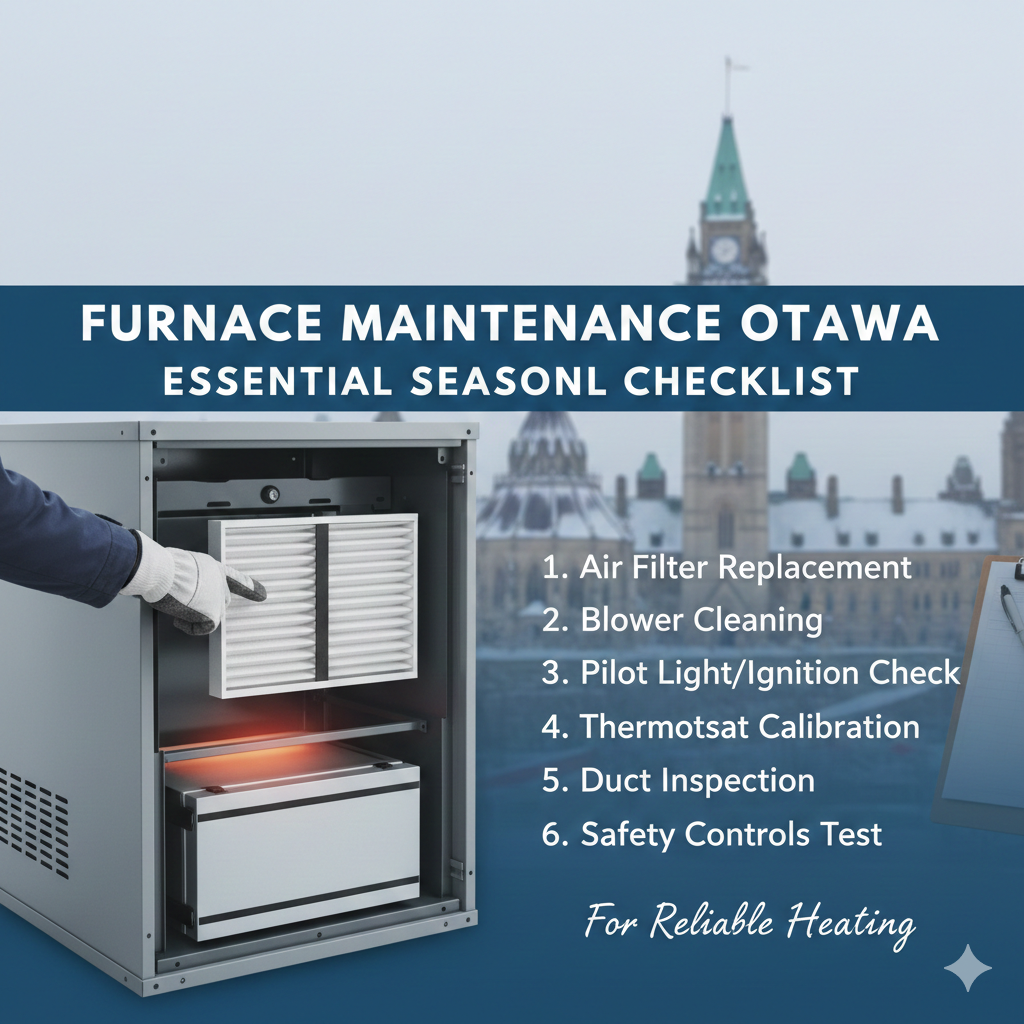
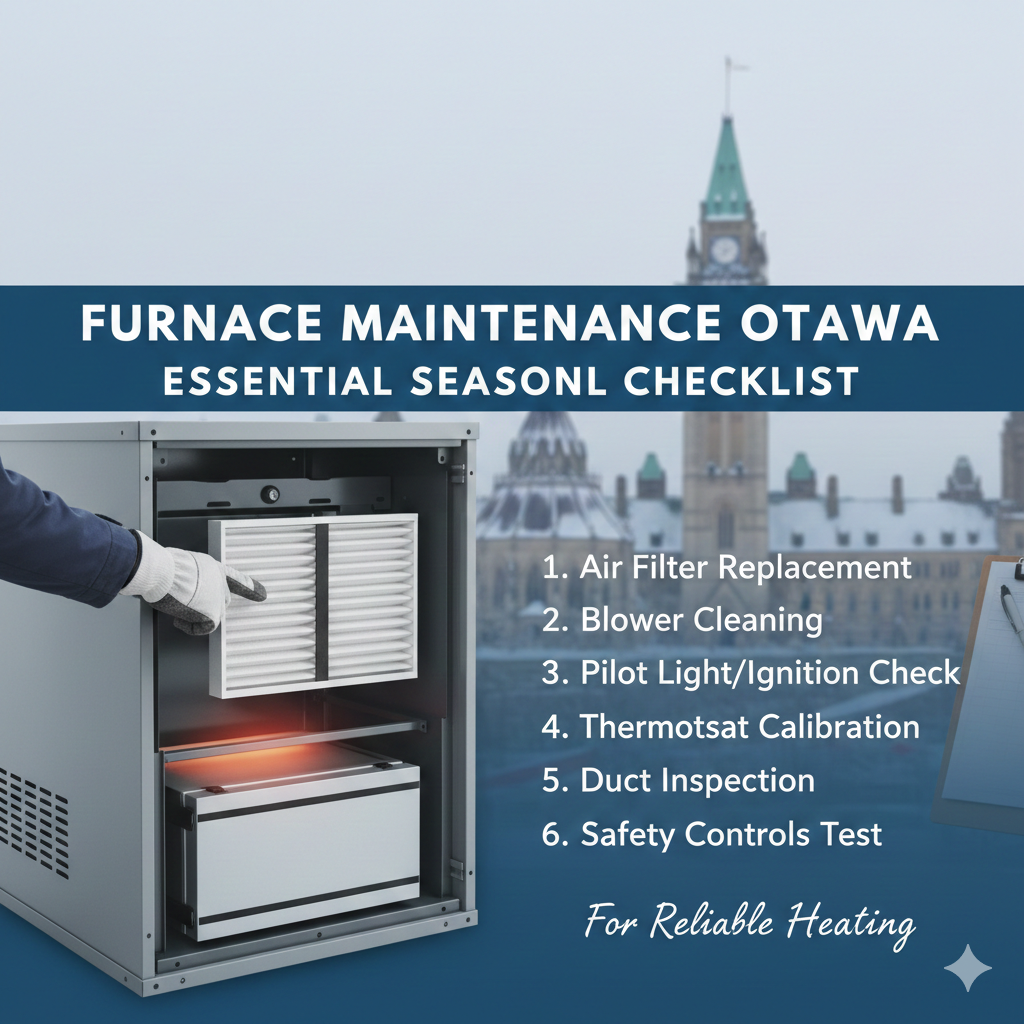
Change or clean your air filter every 1–3 months; a clogged filter reduces airflow, increases run time, and stresses the blower motor. Check the blower compartment for dust and debris quarterly and vacuum accessible areas to prevent motor overheating.
Inspect the flame sensor and ignitor annually; a weak ignitor or dirty sensor causes ignition failures and short cycling. Tighten electrical connections and look for signs of corrosion on terminals during your seasonal tune-up.
Confirm proper airflow by checking vents and return grilles for blockages. Measure temperature rise across the heat exchanger if you can access specs; abnormal rise indicates restricted airflow or heat-exchanger problems.
Schedule a professional inspection once a year to test gas pressure, combustion, and CO levels. A technician will also lubricate motors (if applicable), calibrate the thermostat, and catch issues you might miss.
Choosing the Right Replacement Parts
Prioritize OEM parts or high-quality equivalents that match your furnace model number and serial number. Parts such as the ignitor, flame sensor, control board, and blower motor have model-specific specifications that affect safety and performance.
Match electrical ratings (voltage, amperage) and mechanical fit before purchase. For motors and capacitors, confirm rotation, shaft size, and microfarad rating. Using the wrong rating can cause premature failure or unsafe operation.
Keep a service history with part numbers and installation dates to track longevity and warranty eligibility. If you replace a control board, transfer any programmable settings and verify firmware compatibility with your thermostat.
When to Consider a Full Furnace Replacement
Consider replacement if repairs exceed 50% of a new unit’s cost or if the furnace is older than 15–20 years with repeated failures. Efficiency gains from modern high-efficiency Carrier models (AFUE ratings in the mid-80s to 90s+) often offset upfront costs via lower fuel bills.
Replace the unit immediately if the heat exchanger shows cracks or significant corrosion; this poses a carbon monoxide risk that repairs cannot safely mitigate. Also weigh replacement when major components like the blower and control board fail within a short time span—this indicates broader system age-related decline.
Factor in current fuel prices, ductwork condition, and desired features (variable-speed blower, two-stage gas valve, smart thermostat compatibility) when deciding replacement timing.